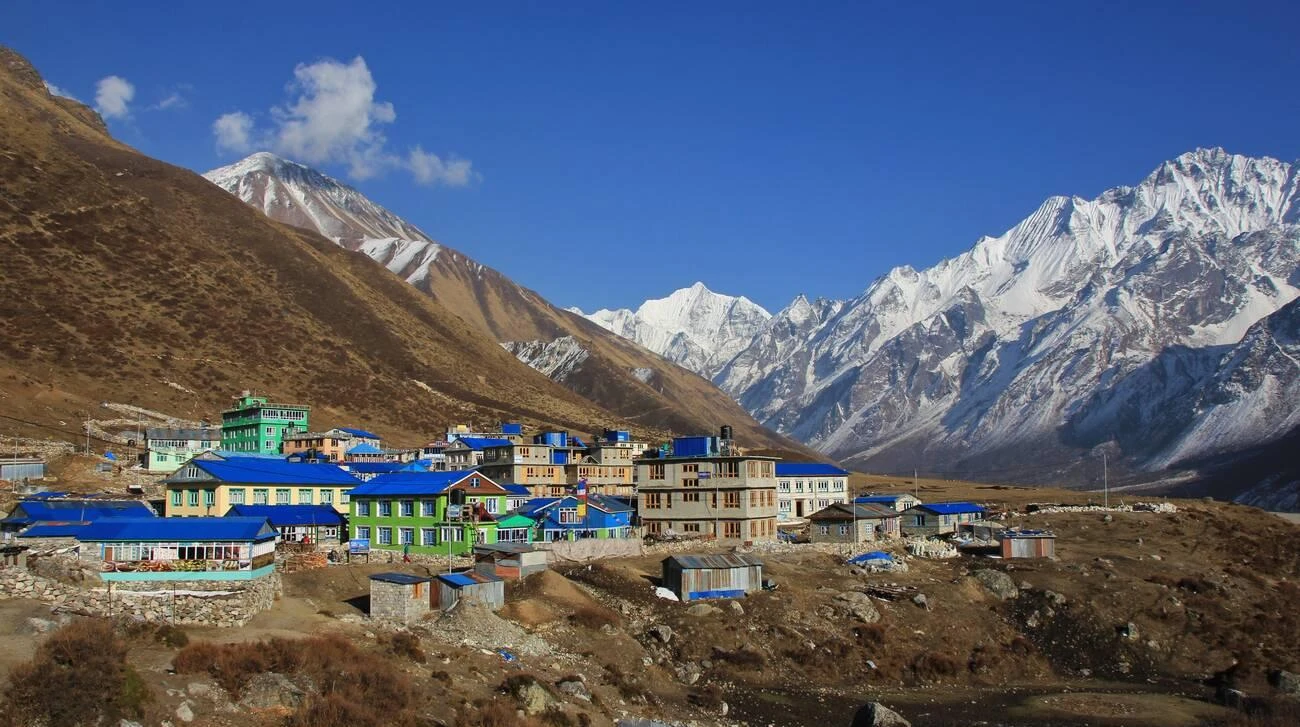
The Langtang Valley Trek, organized by Gorkha Vision Travels & Tours, is a spectacular journey through the pristine landscapes of the Langtang region in Nepal. Nestled in the northern part of the country, near the Tibetan border, this trek offers breathtaking views of snow-capped peaks, alpine forests, and traditional Tamang villages. The trek begins with a scenic drive from Kathmandu to Syabrubesi, followed by a gradual ascent through lush forests and terraced fields. Highlights of the trek include Langtang Village, Kyanjin Gompa, and Tserko Ri, which offers panoramic views of the Langtang Lirung peak and surrounding mountains.
The trek spans approximately 9–10 days, providing a mix of moderate trekking and cultural experiences. Trekkers get the opportunity to explore Buddhist monasteries, interact with local communities, and witness the flora and fauna of the Langtang National Park. From dense rhododendron forests to high-altitude meadows, the trek is a perfect combination of nature, adventure, and cultural immersion. With professional guidance from Gorkha Vision Travels & Tours, travelers can enjoy a well-organized experience that balances adventure with comfort.
The best seasons for trekking in the Langtang Valley are autumn (September to November) and spring (March to May). During autumn, the skies are usually clear, offering spectacular views of the mountains, and the weather is mild and stable. Spring is ideal for witnessing blooming rhododendron forests, which add vibrant colors to the landscape.
Winter (December to February) can be extremely cold, with heavy snowfall at higher elevations, which makes trekking more challenging. Summer (June to August) brings the monsoon, with heavy rainfall and slippery trails, though the valley is lush and green. Choosing the right season ensures both safety and the best trekking experience, allowing trekkers to enjoy panoramic views and pleasant temperatures.
Season Tips:
The Langtang Valley Trek is considered a moderate trek, suitable for beginners with reasonable fitness levels as well as experienced trekkers. Daily trekking hours range from 3 to 9 hours, with varying elevations, starting from Syabrubesi (1,550m) and reaching Kyanjin Gompa (3,870m) and Tserko Ri (5,000m). The terrain includes forest paths, stone-paved trails, and occasional steep ascents, providing a mix of challenges without extreme difficulty.
Transportation is straightforward. From Kathmandu, travelers take a scenic 7–8 hour drive to Syabrubesi, passing through beautiful valleys and rivers. The return journey follows the same route. Local jeeps or buses are available for transportation, making the trek accessible even for those who prefer minimal trekking on road sections. Gorkha Vision Travels & Tours ensures comfortable transfers and timely logistics, reducing travel stress and allowing trekkers to focus on the journey.
Key Points:
During the Langtang Valley Trek, accommodation is primarily in teahouses and lodges. These are simple yet cozy, offering basic amenities like beds, blankets, and shared bathrooms. In Kyanjin Gompa, some lodges are slightly more equipped due to its popularity among trekkers. While the accommodations are not luxury, they provide a comfortable resting place and the chance to interact with local families.
Food on the trek is a mix of Nepali, Tibetan, and Western cuisine, with options such as dal bhat (rice and lentils), noodles, soups, and momos. Hot drinks like tea and coffee are widely available to warm up during cold evenings. Gorkha Vision Travels & Tours ensures trekkers have access to hygienic meals and proper hydration, making the journey enjoyable without worrying about nutrition or safety.
Essentials:
Trekking in the Langtang region requires specific permits. These include the Langtang National Park Entry Permit and the Trekkers’ Information Management System (TIMS) card. The Langtang National Park permit is mandatory to enter the park and helps conserve its natural and cultural heritage. The TIMS card is issued to monitor trekkers’ movement and ensure safety within Nepal’s trekking regions.
Gorkha Vision Travels & Tours takes care of all necessary permit arrangements, so trekkers can focus on enjoying their journey. Permits are checked at park entry points and during trekking, making it essential to keep them handy throughout the trek. Proper permits also ensure compliance with local regulations, contributing to sustainable tourism in the region.
Permit Summary:
The Langtang Valley Trek is a perfect choice for trekkers seeking natural beauty, cultural immersion, and adventure in one package. Unlike more crowded routes like the Everest or Annapurna regions, Langtang offers a peaceful, less commercialized trekking experience. Travelers get to explore traditional Tamang villages, Buddhist monasteries, and untouched alpine landscapes.
With Gorkha Vision Travels & Tours, trekkers enjoy well-organized itineraries, professional guides, and reliable support. The company prioritizes safety, cultural respect, and a memorable experience. Whether it’s climbing Tserko Ri for panoramic views or exploring Kyanjin Gompa, this trek combines physical challenge, scenic wonder, and cultural richness, making it an ideal adventure for solo travelers, groups, and nature enthusiasts.
Why Choose:
After breakfast, Scenic drive from Kathmandu to Syabrubesi, which takes approximately 7 to 8 hours. The journey takes you through picturesque villages, terraced fields, and riverside landscapes, giving a glimpse of rural life in Nepal. The road passes through Trishuli Valley, Dhunche, and several suspension bridges, offering stunning mountain views. Upon arrival in Syabrubesi, check into a cozy teahouse or lodge. You can explore the small village, interact with locals, and enjoy a hot dinner while preparing for the first day of trekking.
The trek begins today as you walk along the Langtang River, surrounded by dense forests of pine, oak, and rhododendron. The trail gradually ascends, offering occasional glimpses of Langtang Lirung and other peaks. You will pass through small settlements like Lama Hotel, stopping at teahouses along the way for tea or lunch. The day’s walk is moderate, giving you time to adjust to the altitude. Arriving at Lama Hotel, enjoy panoramic views of the surrounding mountains and valleys, followed by a hearty dinner and an overnight stay in a warm, welcoming lodge.
Today’s trek is more challenging as the trail steadily climbs through thick forests and alongside the Langtang River. The scenery opens up gradually, revealing breathtaking views of glaciers, snow-capped peaks, and cascading waterfalls. You will pass through bamboo groves and traditional Tamang villages, where you can witness local culture and lifestyle. Reaching Langtang Village, you will find a small, charming settlement nestled in the mountains, with teahouses providing warm meals and comfortable accommodations. The afternoon can be spent exploring the village, resting, or enjoying the serene mountain surroundings.
The trek to Kyanjin Gompa is relatively short but offers spectacular mountain scenery. The trail winds gently through alpine meadows and past small streams. Along the way, you can admire yak herders, prayer flags fluttering in the wind, and panoramic views of Langtang Lirung and Langshisha Ri. Kyanjin Gompa, a historic monastery and village, serves as the base for exploring the surrounding peaks. Once you arrive, you can visit the Gompa, explore the village, or relax at your lodge while enjoying views of the majestic Himalayan range.
Today is a full-day adventure as you ascend Tserko Ri, a prominent peak near Kyanjin Gompa. The climb is steep and challenging, but the reward is a 360-degree panoramic view of the Langtang Valley, including Langtang Lirung, Ganesh Himal, and other Himalayan giants. The trek offers a perfect mix of physical challenge and natural beauty. After spending time at the summit and capturing stunning photographs, you will descend back to Kyanjin Gompa for a well-earned rest. Dinner at the lodge is followed by storytelling and camaraderie with fellow trekkers.
The descent from Kyanjin Gompa to Lama Hotel is long but easier than the climb, allowing you to enjoy the landscapes at a relaxed pace. You will retrace part of your path through forests, past rivers, and traditional villages. The day offers opportunities to take photographs, interact with locals, and savor the natural beauty of the valley. Arriving at Lama Hotel, you can enjoy a warm shower, rest your muscles, and share stories with other trekkers. Dinner is served in the lodge while the mountains glow in the evening sun.
Today, you continue descending towards Syabrubesi, passing through terraced fields, dense forests, and small villages. The trail is gentle and scenic, providing a relaxing end to the trek. Along the way, you may encounter local wildlife and enjoy the sounds of the Langtang River. Upon reaching Syabrubesi, check into your teahouse and celebrate the completion of the trek. This evening is perfect for a farewell dinner with your trekking companions, sharing memories, and reflecting on the incredible landscapes and experiences of the past week.
After breakfast, you will drive back to Kathmandu through the beautiful Langtang and Trishuli valleys. The journey offers final glimpses of the Himalayan landscape, rivers, and traditional villages. Upon arrival in Kathmandu, check into your hotel and spend the evening relaxing or shopping for souvenirs in the city’s lively markets. You can also enjoy a cultural dinner, celebrating your trekking accomplishment with traditional Nepali food and music, guided by Gorkha Vision Travels & Tours.
On the final day, you will be transferred to Tribhuvan International Airport for your onward flight. Before departure, there is time to savor a final breakfast, reflect on your trek, and capture last-minute photographs. The team at Gorkha Vision Travels & Tours ensures a smooth departure and bids you farewell, wishing you safe travels and lifelong memories of the Langtang Valley adventure.
Clothing
Handwear
Footwear
Gear
Miscellaneous
The Langtang Valley Trek is considered a moderate trek, suitable for individuals with a reasonable level of fitness and stamina. Although the trek does not require technical climbing skills, trekkers should be prepared for long walking days, steep ascents, and some high-altitude trekking, especially when ascending to Tserko Ri (5,000m / 16,404ft). Proper acclimatization is crucial to minimize the risk of altitude sickness. Gorkha Vision Travels & Tours ensures a well-paced itinerary with rest days to help trekkers adjust to altitude changes.
The best time to visit Langtang Valley is during the spring (March to May) and autumn (September to November) seasons. During these months, the weather is stable, skies are generally clear, and the views of the Himalayan peaks are breathtaking. Spring offers vibrant rhododendron blooms, while autumn provides crisp air and excellent visibility. Winter is cold and can have heavy snowfall, while the monsoon season (June to August) can make trails slippery and risky due to landslides.
Trekkers typically start the journey from Kathmandu. From Kathmandu, Gorkha Vision Travels & Tours arranges a scenic drive to Syabrubesi (1,550m / 5,085ft), which takes approximately 7-8 hours. The drive offers views of terraced fields, rivers, and the surrounding hills. Syabrubesi is the main gateway to the Langtang region, where trekkers begin their trail towards Lama Hotel and beyond. Transportation can be arranged in private vehicles for comfort and convenience.
Along the Langtang Valley Trek, accommodation is primarily in tea houses or lodges, which provide basic but comfortable rooms with beds, blankets, and shared bathrooms. Some lodges may offer hot showers for an additional fee. Gorkha Vision Travels & Tours carefully selects lodges that maintain hygiene and safety standards, ensuring trekkers have a comfortable stay. At higher altitudes, such as Kyanjin Gompa, accommodation is simpler, but the stunning mountain views make up for the modest facilities.
Yes, the trek offers a variety of Nepali and international cuisine in tea houses along the route. You can expect meals like dal bhat (rice and lentil soup), noodles, soups, momos, and pasta. Gorkha Vision Travels & Tours ensures that trekkers receive sufficient and nutritious meals to maintain energy throughout the trek. Vegetarians and individuals with dietary restrictions can be accommodated with prior notice, though options may be limited at higher altitudes.
To enjoy the Langtang Valley Trek safely, trekkers should engage in regular cardiovascular exercises, such as hiking, jogging, or stair climbing, before the trip. Strength training for legs and core muscles is also helpful for long ascents and descents. Walking with a backpack similar in weight to what you will carry is recommended. Adequate preparation reduces fatigue, prevents injuries, and allows you to enjoy the beautiful landscapes and cultural experiences the Langtang Valley offers.
Altitude sickness is a potential risk, especially when ascending above 3,000 meters. On this trek, the highest point is Tserko Ri at 5,000 meters. Gorkha Vision Travels & Tours designs the itinerary with gradual altitude gain and rest days, allowing trekkers to acclimatize properly. Symptoms may include headaches, nausea, and fatigue. Trekkers are advised to stay hydrated, avoid alcohol, and inform guides immediately if they experience severe symptoms. In extreme cases, descent is recommended.
Trekkers should pack layered clothing suitable for varying temperatures, including a thermal base layer, fleece jackets, waterproof outerwear, and trekking pants. Sturdy trekking boots with ankle support are essential for uneven terrain. Accessories like gloves, hats, sunglasses, and trekking poles improve comfort and safety. Gorkha Vision Travels & Tours provides a detailed packing list to help trekkers prepare efficiently, ensuring that they remain warm, dry, and protected throughout the journey in changing mountain conditions.
Yes, trekkers require a Langtang National Park permit and a TIMS (Trekkers’ Information Management System) card to enter and trek through the region. Gorkha Vision Travels & Tours handles the permit arrangements and ensures that all paperwork is in order before the trek begins. These permits help conserve the park, support local communities, and ensure the safety and legality of the trekking experience. Carrying these permits during the trek is mandatory.
Safety is a top priority for Gorkha Vision Travels & Tours. Experienced local guides accompany every trek, providing knowledge about the trail, weather conditions, and altitude safety. Guides are trained in first aid and emergency response, and the company maintains communication plans for emergencies. Trekkers are briefed on proper acclimatization, hydration, and trekking techniques. Additionally, the itinerary allows adequate rest days and moderate daily walking hours, minimizing physical strain and promoting a safe and enjoyable trekking experience.